Since the April 2025 low, the SPDR S&P 500 ETF ($SPY) has behaved the way strong bull phases often do: it pushed higher in a clean, trend-friendly sequence, rewarded dip-buyers, and steadily “stretched” sentiment as price climbed. However, no impulsive cycle expands forever. As we move deeper into 2026, the evidence is building that this post–Apr 2025 advance is maturing, and a meaningful corrective phase is the more probable next act.
Note: This is educational market commentary, not financial advice.
The Apr 2025 Low: The Launch Point of an Impulse
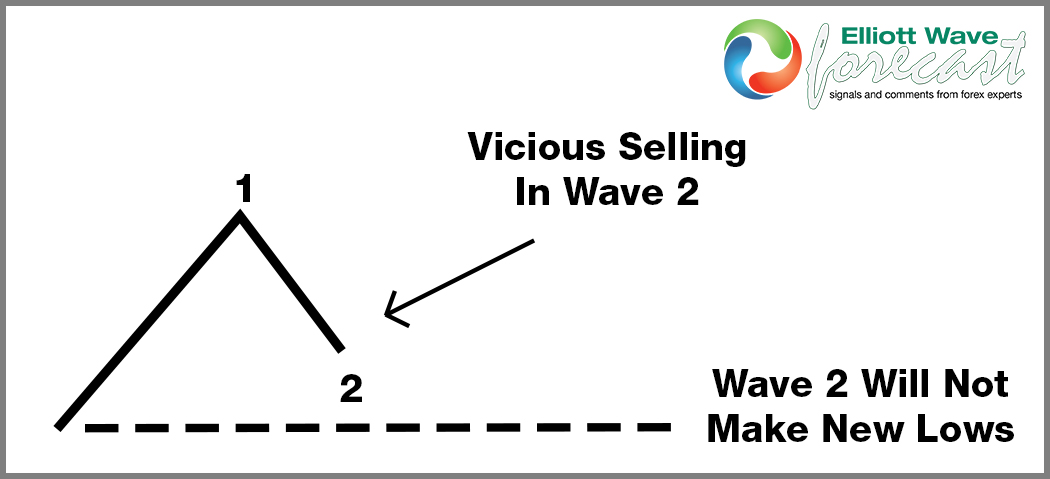
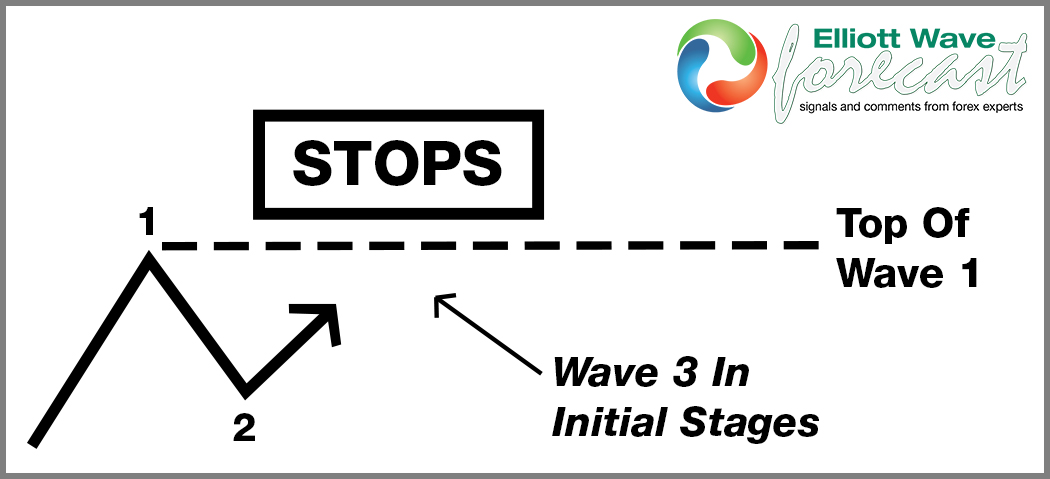
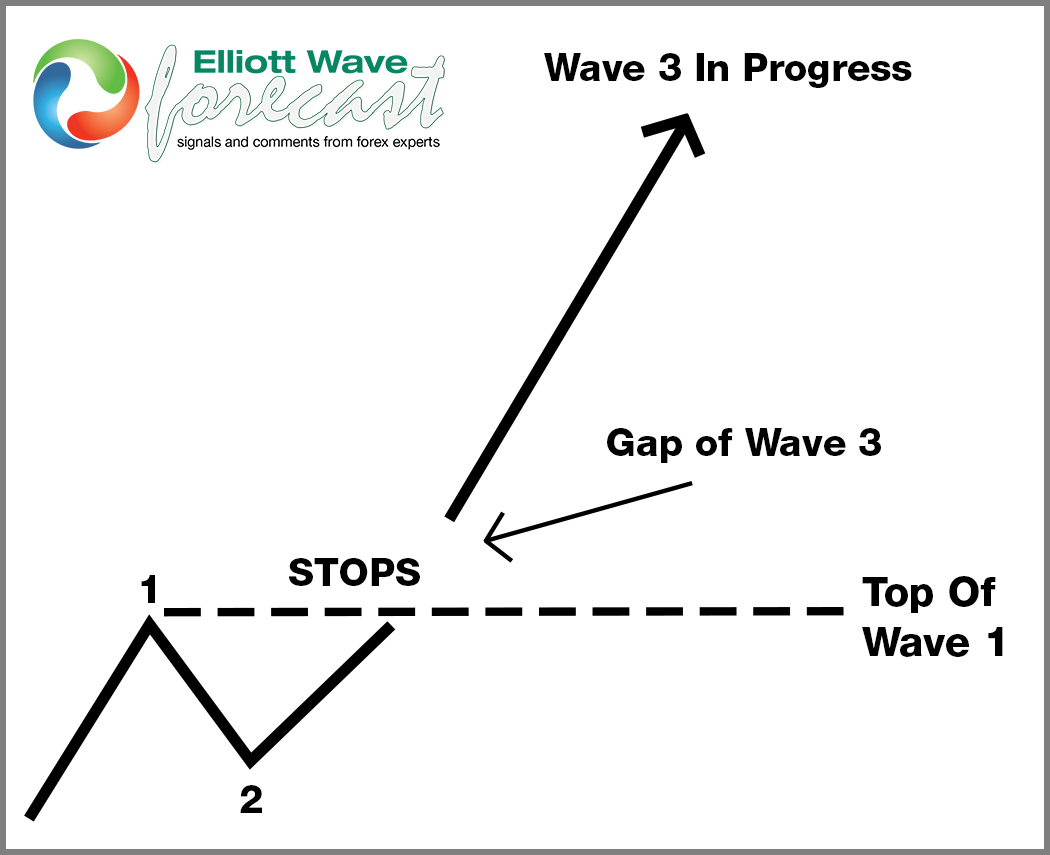

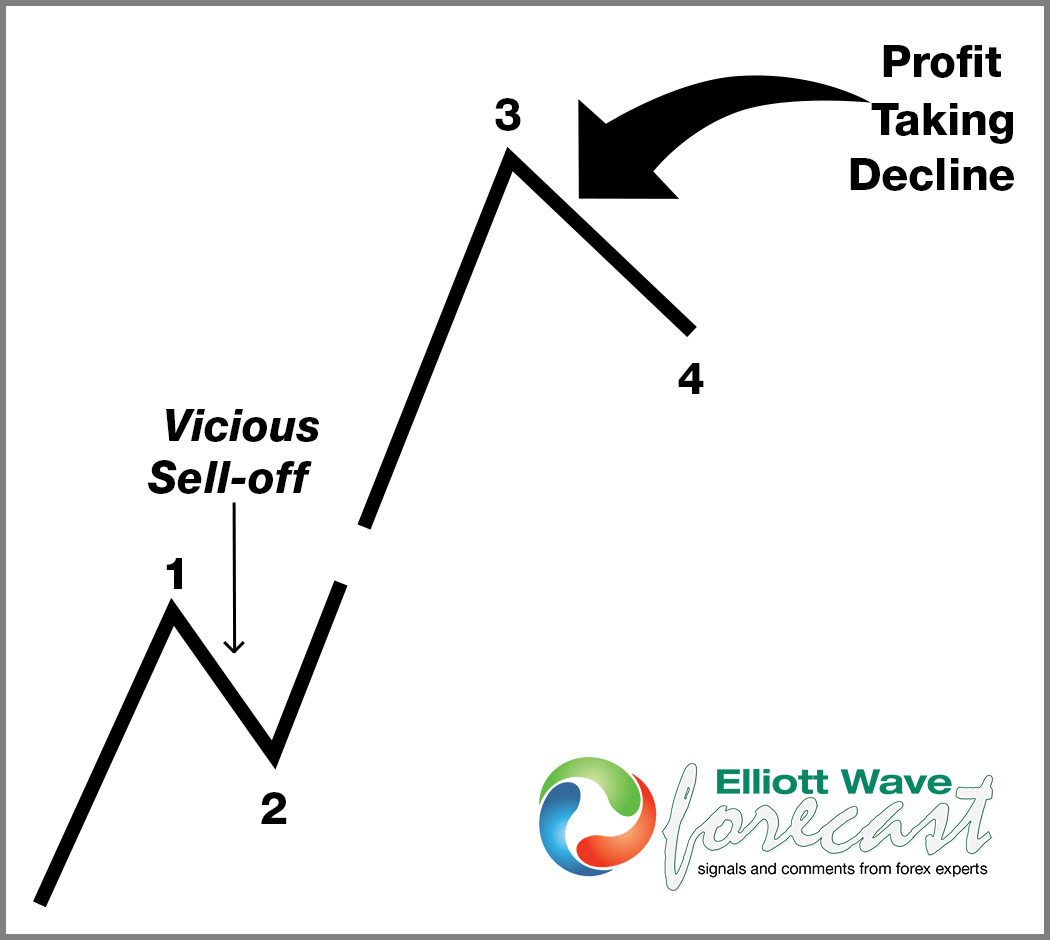
In Elliott Wave terms, the April 2025 low likely marked the start of a new impulsive cycle. Typically, once an impulse gets going, the market progresses in a recognizable 5-wave structure (1-2-3-4-5). Importantly, the goal of this framework isn’t to “predict the future perfectly,” but to map probabilities and identify when a trend may be late-stage versus early-stage.
Why the Current Cycle Looks “Late-Stage”
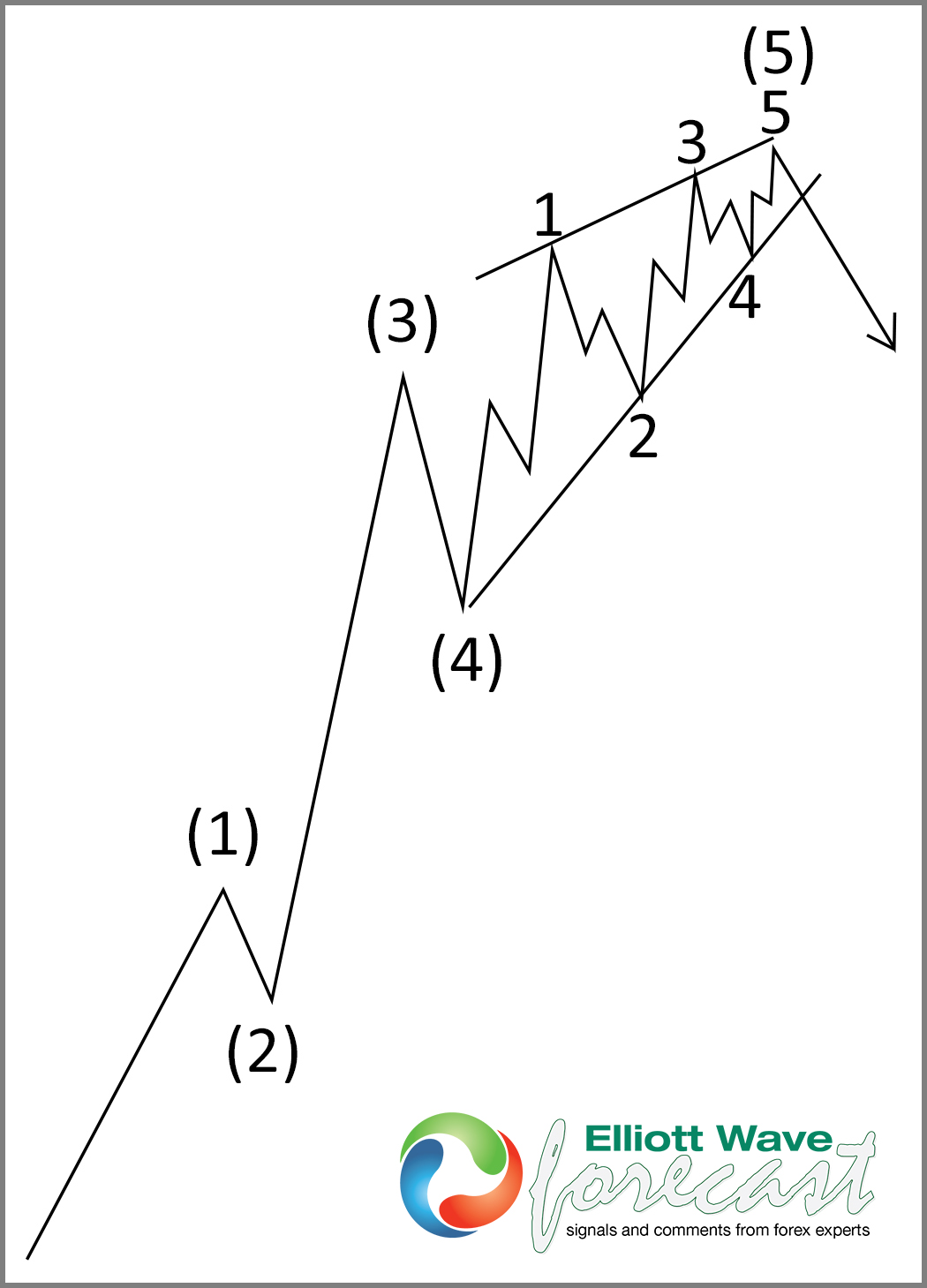
As impulsive advances age, the market often starts flashing subtle tells. For example:
Wave structure becomes extended. Moves still trend higher, yet they require more effort and time to produce the same upside distance.
Momentum tends to diverge. Price can make new highs while momentum (or participation) does not confirm as strongly as it did earlier in the cycle.
Pullbacks stay shallow—until they don’t. Late in an impulse, dips can feel “safe” and quickly bought. Nonetheless, that very behavior can be a sign of complacency near a mature phase.
Consequently, when $SPY is pressing higher but doing so with a “heavier” feel, Elliott Wave traders start asking a different question: Is this still the middle of the move… or the end of it?
A Simple Roadmap: The Five Waves Since Apr 2025
While counts can vary by degree, a common interpretation of the Apr 2025 advance looks like this:
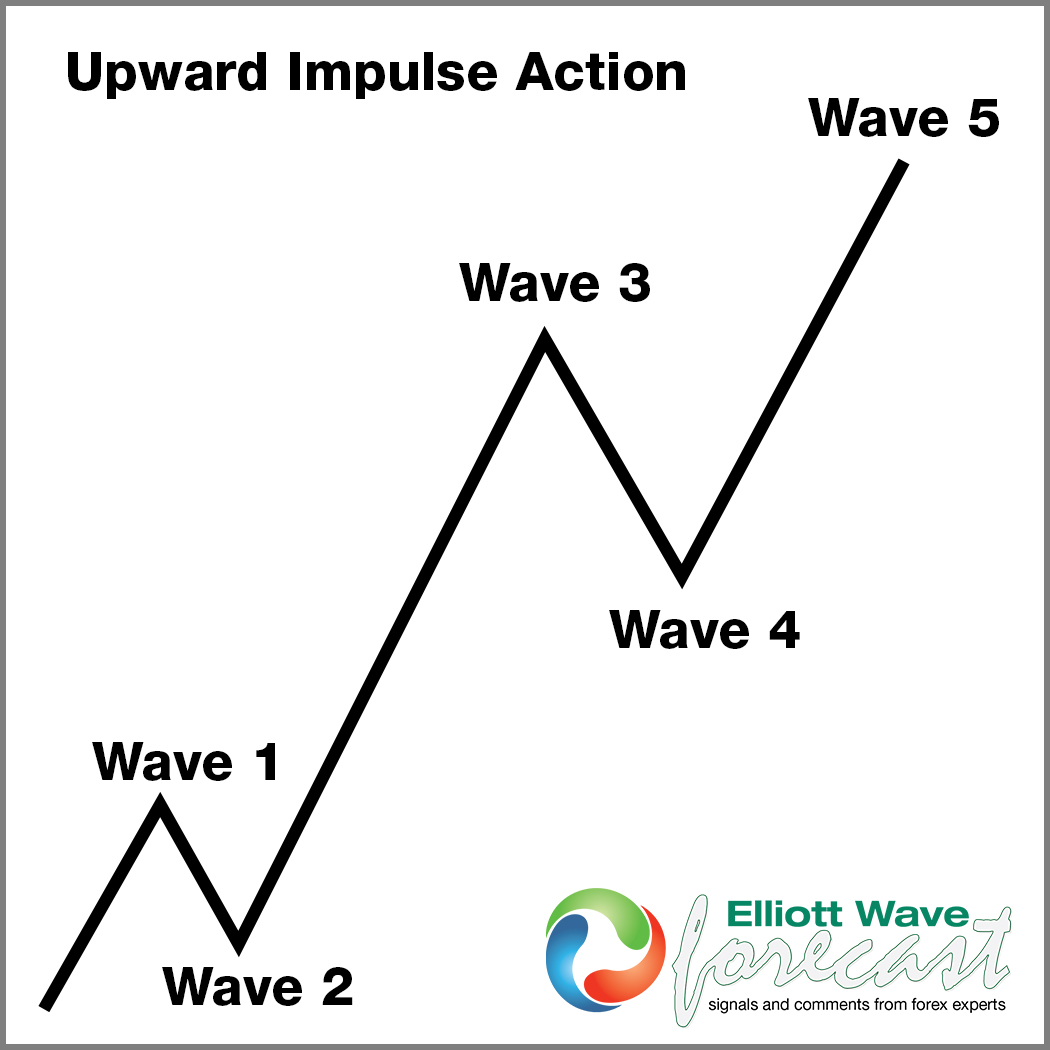
Wave 1: The initial thrust off the Apr 2025 low — disbelief fades, buyers step in.
Wave 2: A corrective pullback — sentiment resets, weak hands exit.
Wave 3: The strongest trend leg — broad participation, acceleration, confidence returns.
Wave 4: A consolidation or choppy correction — volatility rotates, leadership narrows.
Wave 5: The final push — prices can still rise, but internal strength often cools.
In other words, if $SPY is currently in a late Wave 5 (or completing a higher-degree fifth), the market may be approaching the point where upside becomes more limited relative to downside risk.
So What Happens After an Impulse? The Correction Phase
After a 5-wave impulse, Elliott Wave expects a corrective sequence—often an A-B-C structure—where the market unwinds excess optimism and rebalances positioning. Typically, this correction can retrace a meaningful portion of the entire Apr 2025–to–recent-high advance.
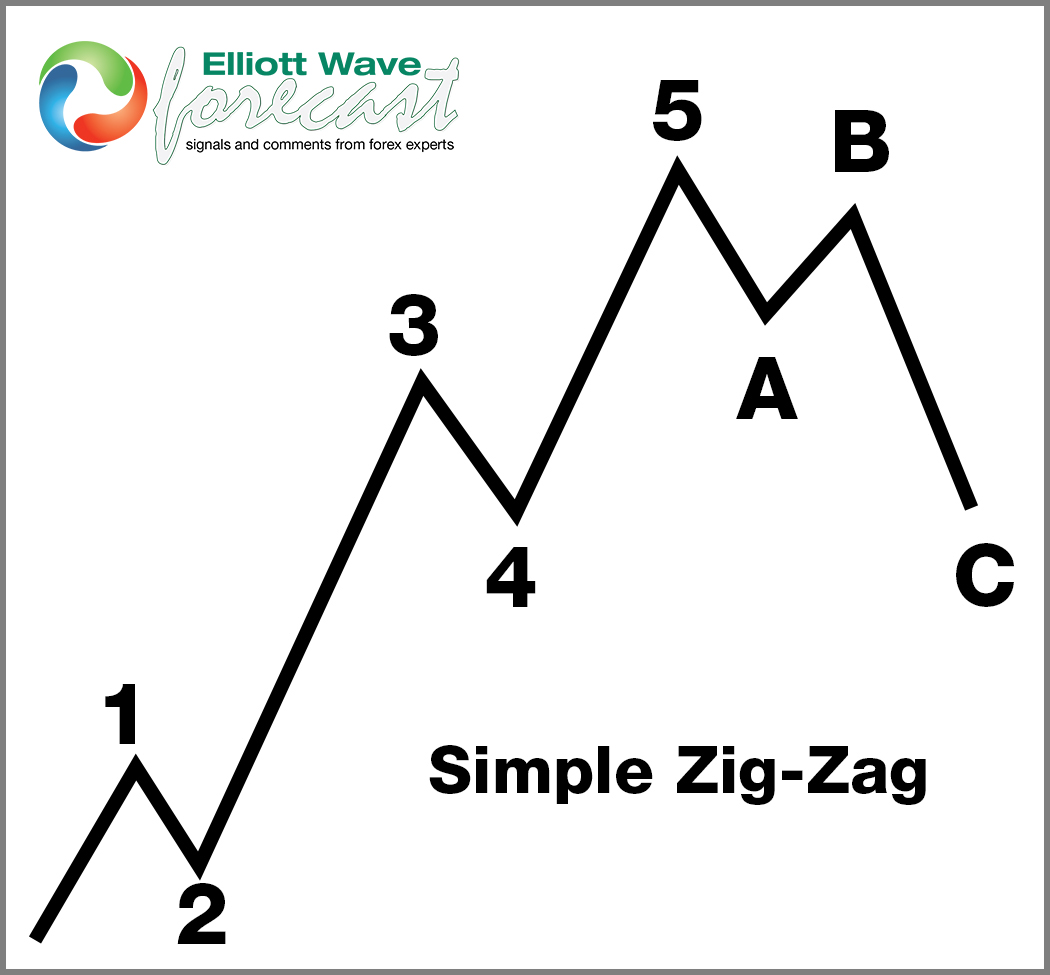
Common corrective behaviors include:
A sharp initial drop (Wave A) that catches dip-buyers off guard,
A reflex bounce (Wave B) that feels like “the uptrend is back,” and then
A final decline (Wave C) that completes the reset, often with broader capitulation.
Meanwhile, the most useful way to track correction risk is to watch structural supports, such as:
prior Wave 4 consolidation zones,
the slope/channel of the entire advance,
and widely observed long-term averages (often where institutions defend).
What Would Confirm the “Correction in 2026” Thesis?
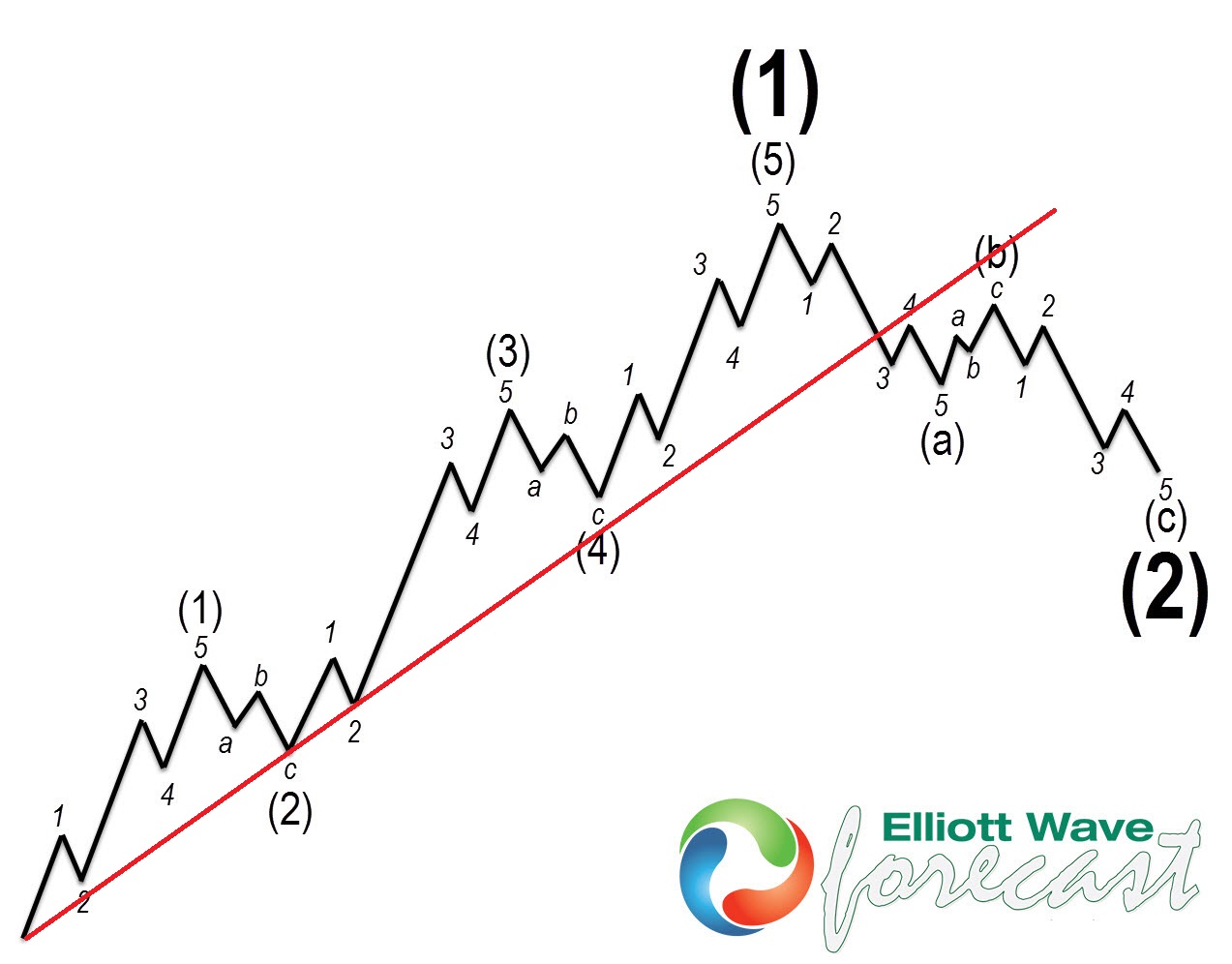
Because wave analysis is probabilistic, confirmation matters. Here are practical tells traders watch:
A break of the impulsive channel that guided price higher since Apr 2025.
A clean five-down move on the lower timeframes (often the first sign the trend regime has changed).
Failure of rebounds to reclaim prior breakout levels quickly.
On the flip side, invalidation is just as important: if $SPY keeps extending higher with strong structure and broad participation, the “mature cycle” could simply be taking longer to finish.
What This Means for Traders and Investors
If the Apr 2025 cycle is indeed nearing completion, then the smarter play is less about calling the exact top and more about adjusting expectations and tightening process.
Accordingly, consider focusing on:
Risk management first: reduce oversized exposure, avoid late-stage chasing, and define exits.
Let structure guide decisions: prefer clear support/resistance levels over headlines.
Be ready to rotate: corrections create the next high-probability long entries—after the reset, not before it.
Bottom Line
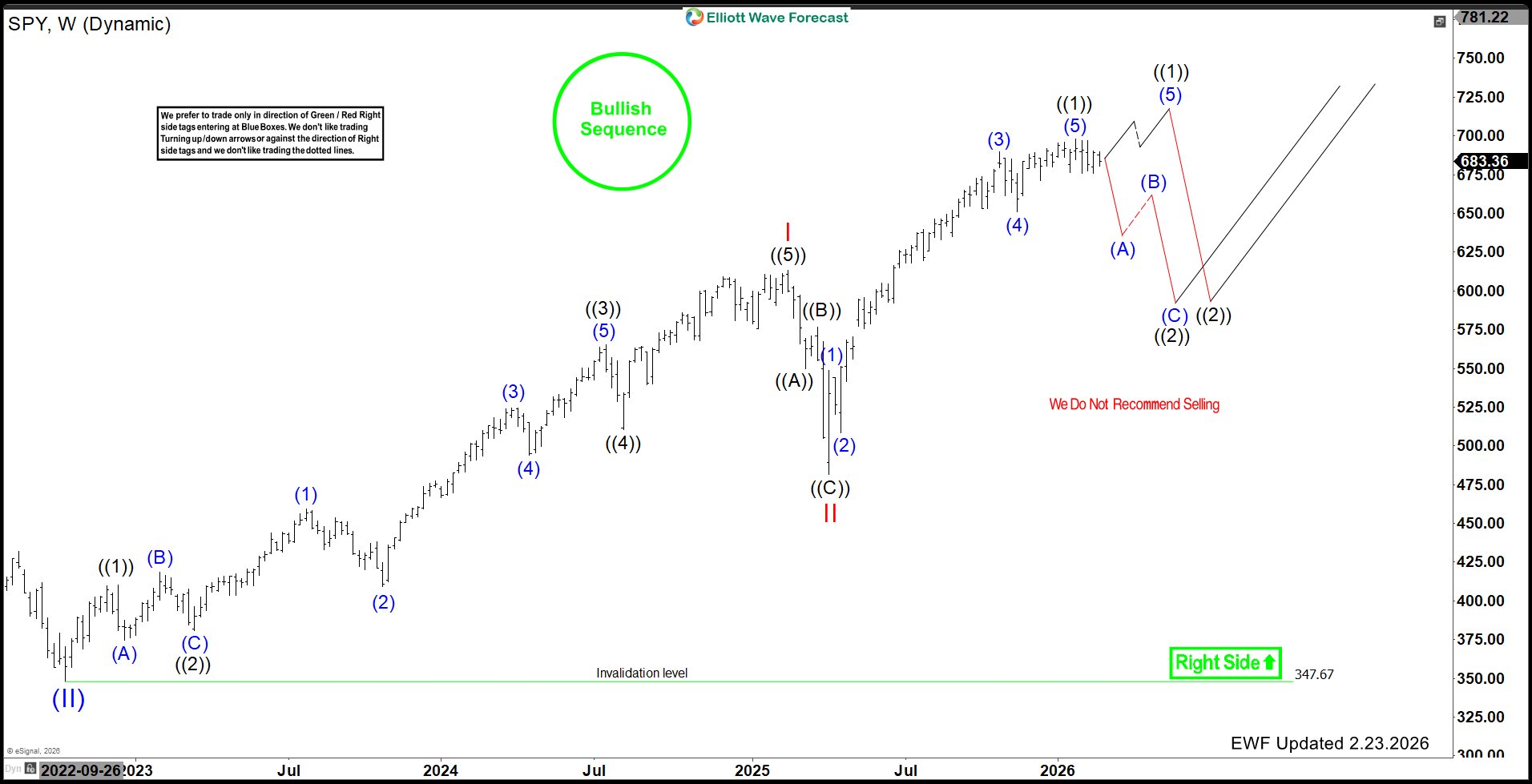
$SPY’s advance from the April 2025 low has the hallmarks of a maturing impulse. Therefore, as 2026 progresses, the market is increasingly vulnerable to a corrective phase that refreshes the trend, shakes out complacency, and rebuilds a healthier base for the next opportunity.
$SPY Elliott Wave Video Analysis
Elliott Wave Forecast
We cover 78 instruments, but not every chart is a trading recommendation. We present Official Trading Recommendations in the Live Trading Room. If not a member yet, Sign Up for 14 days Trial now and get access to new trading opportunities.
Welcome to Elliott Wave Forecast!